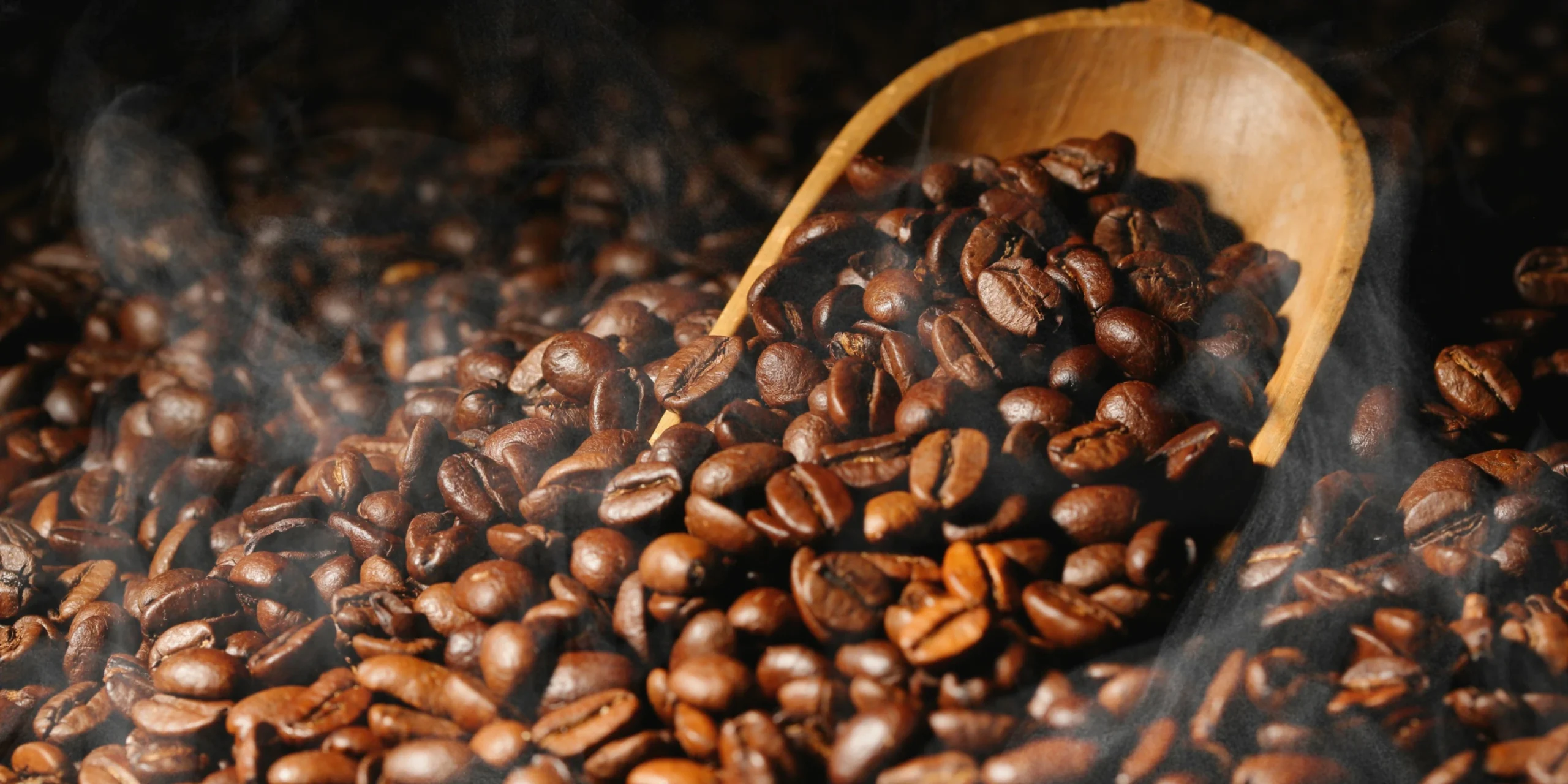
Coffee beans are one of the most important factors that determine the flavour, aroma, strength, and character of your coffee. Among the many varieties of coffee available around the world, Arabica and Robusta are two of the most widely known and commercially important types of coffee beans.
But what exactly is the difference between Arabica and Robusta coffee beans? Which one has more caffeine? Which one tastes stronger? Which bean is better for espresso, cafés, or everyday coffee?
In this guide, we will explore the differences between Arabica and Robusta coffee beans, including their origin, flavour, caffeine content, appearance, growing conditions, roasting characteristics, and common uses.
What Are Arabica Coffee Beans?
Arabica, scientifically known as Coffea arabica, is one of the most popular coffee species in the world. Arabica coffee is widely appreciated for its smooth taste, pleasant aroma, and complex flavour profile.
Arabica plants generally grow best in suitable high-altitude environments with the right temperature, rainfall, and soil conditions. Major Arabica-producing regions include countries such as Brazil, Colombia, Ethiopia, India, and several other coffee-growing regions around the world.
Arabica beans are often associated with a more refined and aromatic coffee experience. Depending on the origin and processing method, Arabica coffee can have notes ranging from fruity and floral to nutty, chocolatey, caramel-like, or mildly acidic.
Key characteristics of Arabica coffee beans:
- Smooth and balanced flavour
- Aromatic and complex profile
- Often lower in caffeine than Robusta
- Can have pleasant fruity or floral notes
- Generally more delicate in flavour
- Commonly used in specialty and premium coffees
What Are Robusta Coffee Beans?
Robusta is commonly used to refer to coffee from the Coffea canephora species. It is known for its stronger flavour, higher caffeine content, and naturally robust characteristics.
Robusta coffee plants can grow in warmer conditions and are generally more resistant to certain diseases and environmental challenges than Arabica. Vietnam is one of the world’s major producers of Robusta coffee, while Robusta is also grown in India, Indonesia, Uganda, Brazil, and other regions.
Robusta beans are often used in espresso blends because they can contribute body, strength, crema, and a distinctive coffee character.
Key characteristics of Robusta coffee beans:
- Stronger and more intense flavour
- Higher caffeine content
- Generally more bitter than Arabica
- Produces good body in coffee
- Commonly used in espresso blends
- Generally more resilient as a coffee plant
Arabica vs Robusta: Main Differences
Although both are coffee beans, Arabica and Robusta have several important differences.
| Feature | Arabica | Robusta |
|---|---|---|
| Scientific species | Coffea arabica | Coffea canephora |
| Flavour | Smooth, complex, aromatic | Strong, bold, earthy |
| Caffeine | Lower | Higher |
| Acidity | Often higher | Generally lower |
| Body | Smooth to medium | Fuller and heavier |
| Aroma | Often more complex | Strong and distinctive |
| Growing conditions | Generally prefers higher elevations | Can tolerate warmer, lower conditions |
| Plant resilience | More sensitive | Generally more resilient |
| Common use | Specialty coffee, premium blends | Espresso blends, instant coffee, blends |
The exact flavour and characteristics can vary significantly depending on the origin, variety, processing method, roasting level, and preparation method.
1. Difference in Flavour
One of the biggest differences between Arabica and Robusta is their flavour profile.
Arabica is often described as smoother and more complex. Depending on where it is grown and how it is processed, Arabica coffee may have fruity, floral, sweet, nutty, chocolate, caramel, or other flavour characteristics.
Robusta generally has a stronger and more intense profile. It can have earthy, woody, nutty, grain-like, or bitter characteristics.
However, flavour is not determined by the species alone. The coffee’s origin, processing, roasting, freshness, grind size, water, and brewing method can all influence the final cup.
2. Difference in Caffeine Content
Robusta coffee generally contains more caffeine than Arabica.
Caffeine naturally contributes to coffee’s bitterness and also acts as a natural defence mechanism for the coffee plant.
Because Robusta generally contains more caffeine, it can provide a stronger and more intense coffee experience.
Arabica contains less caffeine compared with Robusta, which is one reason many people associate it with a smoother and more balanced cup.
The actual caffeine content of a brewed coffee depends on many factors, including the amount of coffee used, bean composition, roast, grind, and brewing method.
3. Difference in Appearance
Arabica and Robusta beans can also look different.
Arabica beans are generally more oval and elongated, with a curved crease running along the middle.
Robusta beans are generally rounder and can appear smaller and more compact, with a straighter crease.
The appearance can vary depending on the specific coffee variety and processing method, so visual appearance alone should not be used as the only way to identify a coffee bean.
4. Difference in Growing Conditions
Arabica and Robusta have different growing preferences.
Arabica generally performs well in cooler environments and is commonly grown at higher elevations. It requires suitable conditions and can be more sensitive to environmental stresses.
Robusta is generally more tolerant of warmer conditions and can grow successfully at lower elevations. Its natural resilience makes it an important coffee species for many producing countries.
Climate, altitude, soil, rainfall, farming practices, and processing all contribute to the characteristics of the final coffee.
5. Difference in Plant Characteristics
Arabica and Robusta plants have different characteristics.
Arabica plants are generally smaller and more sensitive to growing conditions. They can produce high-quality coffee but may require more specific environmental conditions.
Robusta plants are generally stronger and more resilient. They can tolerate warmer temperatures and are generally more resistant to certain diseases.
This difference in plant resilience is one of the reasons Robusta plays an important role in the global coffee industry.
6. Difference in Acidity
Arabica coffee is often associated with a brighter or more noticeable acidity, depending on its origin and processing.
Acidity in coffee does not necessarily mean the coffee is sour. In well-balanced coffee, acidity can contribute to a lively and complex flavour.
Robusta generally has lower perceived acidity and tends to produce a heavier, stronger profile.
The perceived acidity of both Arabica and Robusta can vary considerably based on origin, roasting, and brewing.
7. Difference in Body
Body refers to the physical sensation or weight of coffee in your mouth.
Arabica often provides a smoother and cleaner mouthfeel.
Robusta can contribute a heavier, fuller body. This characteristic is one reason Robusta is frequently included in espresso blends.
For coffee businesses, choosing between Arabica and Robusta can therefore depend on the type of flavour and mouthfeel they want to create.
8. Arabica vs Robusta for Espresso
Both Arabica and Robusta can be used for espresso.
Many espresso blends combine Arabica and Robusta to balance different characteristics.
Arabica can contribute aroma, sweetness, and complexity, while Robusta can contribute body, intensity, caffeine, and crema.
The ideal combination depends on the roaster’s recipe and the desired flavour profile.
For this reason, you may find espresso blends containing different ratios of Arabica and Robusta.
9. Arabica vs Robusta for Everyday Coffee
There is no universal answer to which bean should be used for everyday coffee.
If you prefer a smoother, aromatic, and more complex flavour, Arabica may suit your preference.
If you enjoy a stronger, bolder, and more intense coffee profile, Robusta may be worth exploring.
Some coffee drinkers also enjoy blends because they combine characteristics from both types.
10. Arabica vs Robusta for Cafés and Businesses
For cafés, restaurants, hotels, and other businesses, selecting coffee beans depends on several factors.
Businesses may consider:
- Desired flavour profile
- Customer preferences
- Brewing equipment
- Espresso requirements
- Coffee menu
- Cost and availability
- Roast level
- Bean origin
- Blend composition
- Target customer
A café serving specialty filter coffee may have different requirements from a café focused heavily on espresso-based drinks.
This is why businesses should consider the complete coffee profile rather than choosing beans based only on the species name.
Can Arabica and Robusta Be Blended?
Yes. Arabica and Robusta can be blended together.
Coffee blends are created to achieve a particular flavour, aroma, body, strength, or consistency.
For example, a blend may use Arabica to provide sweetness and aroma while using Robusta to add body and intensity.
The exact ratio depends on the roaster and the desired result.
Blending can be particularly useful for espresso, where body and crema can be important characteristics.
Which Coffee Bean Is Better: Arabica or Robusta?
There is no single answer because “better” depends on personal preference and the intended use.
Arabica and Robusta have different characteristics, and both have an important place in the coffee industry.
If you enjoy smooth, aromatic, and complex coffee, you may prefer Arabica.
If you prefer bold, strong, intense coffee, you may enjoy Robusta.
If you want characteristics from both, an Arabica-Robusta blend can be an option.
The best choice ultimately depends on taste, brewing method, roast, origin, freshness, and personal preference.
How Roast Level Affects Arabica and Robusta
The roast level can significantly influence the flavour of coffee.
Light Roast
Light roasting generally preserves more of the bean’s original characteristics and can highlight acidity and origin-specific flavours.
Medium Roast
Medium roasting can provide a balance between the bean’s original characteristics and flavours developed during roasting.
Dark Roast
Dark roasting generally produces deeper roasted flavours, with more pronounced bitterness and smoky or roasted characteristics.
Both Arabica and Robusta can be roasted at different levels. The final flavour depends on the roasting profile chosen by the roaster.
Why Coffee Bean Origin Matters
Two Arabica coffees can taste very different even when they are both Arabica.
The same applies to Robusta.
Coffee-growing conditions can influence the final characteristics of the beans. Factors such as:
- Country of origin
- Region
- Altitude
- Soil
- Climate
- Variety
- Farming practices
- Processing method
- Drying
- Storage
- Roasting
can all affect the final cup.
This is why understanding coffee origin is important when choosing beans.
How to Choose Between Arabica and Robusta
Before buying coffee beans, consider how you normally drink your coffee.
Choose Arabica if you prefer:
- Smooth coffee
- Complex flavours
- Aromatic coffee
- Fruity or floral notes
- Balanced taste
- Specialty-style coffee
Consider Robusta if you prefer:
- Strong coffee
- Bold flavour
- Higher caffeine
- Fuller body
- More intense character
- Espresso blends
Consider a blend if you want:
- Balance between aroma and strength
- More body
- Different flavour characteristics
- Espresso-friendly characteristics
Buying Coffee Beans: What Should You Check?
Whether you are buying coffee for home or for a business, look beyond the words “Arabica” and “Robusta.”
Check the following:
Origin: Where were the beans grown?
Roast: Is it light, medium, or dark roast?
Freshness: When were the beans roasted?
Processing: How were the coffee cherries processed?
Bean condition: Are the beans properly stored and packaged?
Purpose: Are they suitable for espresso, filter coffee, French press, or another brewing method?
Supplier: Does the supplier provide clear information about the coffee?
For businesses, additional factors such as availability, packaging, consistency, quantity, and wholesale supply should also be considered.
Arabica and Robusta at Stork Beans
At Stork Beans, we believe good coffee begins with understanding the beans.
Our range is focused on providing coffee beans with clear information about their origin, type, roast, and characteristics, helping coffee lovers and businesses make more informed choices.
From 100% Arabica coffee beans to Robusta coffee beans and green coffee beans, our goal is to connect customers with quality coffee for different preferences and applications.
Whether you are purchasing coffee for your home, café, restaurant, hotel, or business, understanding the difference between Arabica and Robusta can help you choose beans that match your requirements.
Frequently Asked Questions
Is Arabica stronger than Robusta?
Not necessarily. Robusta generally has more caffeine and a stronger, more intense flavour, while Arabica is often smoother and more aromatic.
Which has more caffeine, Arabica or Robusta?
Robusta generally contains more caffeine than Arabica, although the caffeine in a prepared cup also depends on the brewing method and quantity of coffee used.
Is Arabica more expensive than Robusta?
Arabica is often priced higher than Robusta, but actual prices vary based on origin, quality, processing, market conditions, and other factors.
Can Robusta be high quality?
Yes. Robusta is not simply a lower-quality version of Arabica. Quality can vary within both species depending on farming, processing, storage, roasting, and other factors.
Can Arabica and Robusta be mixed?
Yes. Arabica and Robusta are commonly blended to create particular flavour, body, strength, and espresso characteristics.
Which coffee is better for espresso?
Both can be used for espresso. Arabica can contribute aroma and complexity, while Robusta can contribute body and intensity. Many espresso blends use both.
Which coffee is better for beginners?
It depends on personal taste. People who prefer smooth and aromatic coffee may enjoy Arabica, while those who prefer stronger and more intense coffee may enjoy Robusta.
Final Thoughts
Arabica and Robusta are two important types of coffee with different characteristics.
Arabica is often associated with smoothness, aroma, complexity, and a wide range of flavour notes.
Robusta is generally known for higher caffeine, stronger flavour, greater body, and resilience as a coffee plant.
Neither one is automatically the right choice for everyone. Your ideal coffee depends on your taste, brewing method, roast preference, and how you want your coffee to taste.
Whether you choose 100% Arabica, 100% Robusta, or an Arabica-Robusta blend, exploring different origins and roast profiles is one of the best ways to discover the coffee you enjoy.
At Stork Beans, we are passionate about coffee beans and helping customers discover coffee from different origins and profiles. Explore our range and find the beans that suit your taste and requirements.
1 Comment
Dolorum id laborum labore. Rem ipsam tempore iusto dignissimos harum. Sit porro molestiae reiciendis incidunt alias aut magni aliquam. Voluptatum aspernatur occaecati nisi ad odit esse. Sunt rerum ad ab blanditiis velit. Nemo aut quis non labore nesciunt. Ut minus iure labore aspernatur voluptatem nisi. A incidunt laboriosam consequatur placeat accusamus. Nihil id sit consequatur at suscipit. Placeat natus odio blanditiis. Voluptas a vero aperiam ipsum sit asperiores. Quos molestias corporis ipsum sunt facere rerum et.